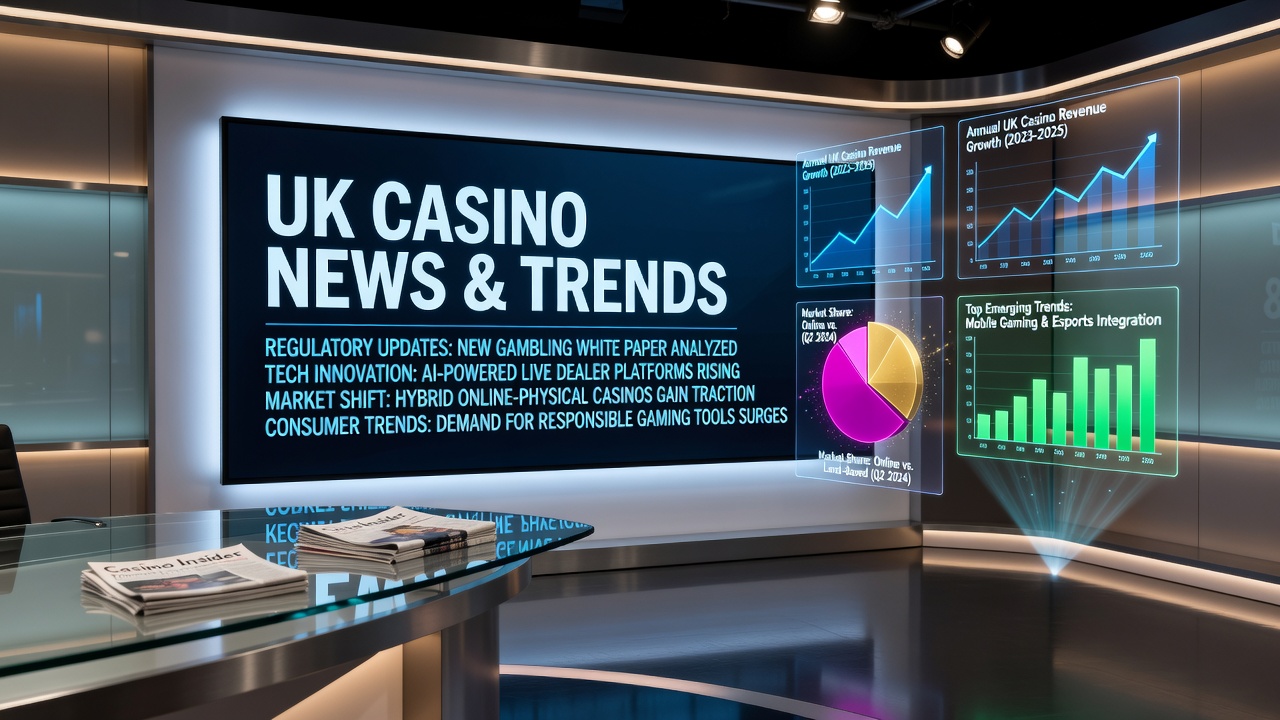
UK Casino Operators Highlight Risks from Proposed Machine Games Duty Hike
Executives from Rank Group, Genting Casinos, and the Hippodrome gathered for a panel at the Hippodrome Casino in London where they outlined the consequences of a potential increase in Machine Games Duty from 20% to 40%, a change that could appear in the autumn budget scheduled for 28 October; they described how such a shift would affect venue operations across the sector and force difficult decisions on staffing and future projects.
The operators explained that the duty adjustment would place immediate pressure on multiple sites, leading some locations to close while others scale back services, and they tied these outcomes directly to combined direct and indirect job losses reaching up to 3,800 positions; they also pointed to £200 million in planned investments that might face cancellation or reduction over the coming years if the higher rate takes effect without adjustments.
Details Shared During the London Panel
Representatives from the three companies stressed that tax certainty remains essential for long-term planning, and they noted the timing of the Gambling Commission's 2025 land-based reforms, which include provisions for additional slot machines at venues; without a stable duty framework in place first, those reforms would struggle to deliver expected benefits because operators would lack the financial room to adapt new rules effectively.
Genting Casinos executives added that the company stands ready to commit significant capital once conditions stabilize, yet the proposed duty rise would disrupt those intentions by altering the cost structure for machine-based gaming that forms a core part of current revenue streams.
Economic Pressures Outlined by Industry Representatives
Panel participants referenced a report presented during the session that surveyed 23 operators and detailed the cumulative effects of the duty increase on cash flow and employment; according to the findings, many venues already operate with narrow margins that leave little flexibility when tax rates change abruptly, and the data shows how a doubling of the rate would accelerate decisions to reduce headcount or exit certain markets entirely.
Observers at the event heard that the autumn budget timing adds urgency because operators need clarity before the end of the year to finalize budgets and staffing plans for 2025, and they connected this need to the upcoming reforms that the Gambling Commission plans to roll out progressively throughout that period.
The report linked to the panel session appears on the NTIA website and provides further breakdowns of projected job impacts across regions, while the operators themselves emphasized that indirect roles in supply chains and maintenance would account for a substantial portion of the 3,800 total figure if closures occur; they described how venue viability hinges on predictable tax treatment rather than sudden rate changes that compound existing cost pressures from energy and wages.
Investment Outlook Tied to Policy Stability
Executives returned repeatedly to the theme of investment timing, noting that Genting has identified opportunities for expansion in the UK market but requires assurance that duty rates will remain consistent long enough for new projects to reach profitability; without that assurance, the company and its peers would redirect resources elsewhere or pause commitments that currently total around £200 million across the next several years.
Those at the panel connected this investment hesitation to broader sector trends, where operators balance regulatory changes from the Gambling Commission against fiscal measures that affect day-to-day machine operations, and they pointed out that the 2025 reforms aim to modernize land-based offerings by permitting more slots, yet higher Machine Games Duty would offset any revenue gains from those additional machines.
Context Around the 28 October Budget Date
The autumn budget on 28 October sits at a critical juncture because it precedes the full implementation phase of the 2025 reforms, giving operators a narrow window to assess combined tax and regulatory impacts before committing to capital expenditure; panel speakers argued that policy makers should evaluate the duty change alongside the reform timeline rather than in isolation, since the two elements interact directly on venue economics.
Industry representatives also highlighted that several sites have already adjusted operations in anticipation of possible rate changes, including reviews of machine mixes and staffing levels, and they warned that further adjustments would accelerate if the 40% rate moves forward without corresponding relief measures elsewhere in the tax code.
Conclusion
The panel at the Hippodrome Casino brought together specific figures on job losses, investment amounts, and reform timelines to illustrate the sector's position ahead of the 28 October budget decision, and the operators made clear that their warnings rest on data from the surveyed operators as well as internal projections shared during the discussion; the emphasis remained on the need for coordinated policy timing that allows the 2025 changes to take hold before additional fiscal burdens are introduced.