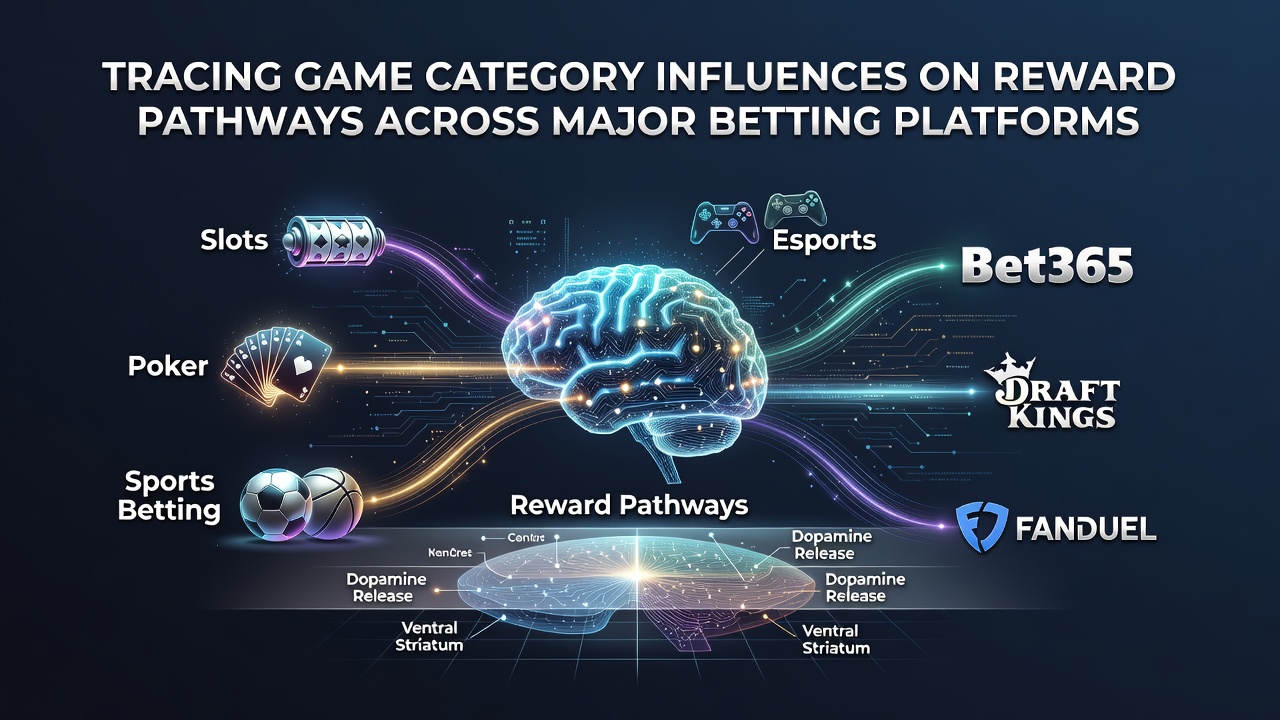
Tracing Game Category Influences on Reward Pathways Across Major Betting Platforms
Researchers continue to map how distinct game categories trigger dopamine responses and related neural circuits when players engage with major betting platforms, and data collected through neuroimaging studies reveal measurable differences in activation patterns across slots, table games, sports betting interfaces, and live dealer environments. Observers note that these variations appear tied to elements such as outcome frequency, decision complexity, and social components built into each category.
Core Mechanisms of Reward Activation
Neuroimaging work conducted over the past decade shows that reward pathways centered on the ventral striatum and prefrontal cortex respond differently depending on whether a game delivers rapid, frequent small wins or infrequent but larger payouts, and evidence from functional MRI scans indicates stronger phasic dopamine spikes during high-volatility slot sessions compared with slower-paced table game rounds. Those who have reviewed aggregated findings from multiple labs point out that sports betting interfaces often engage additional circuits linked to prediction error because odds fluctuate in real time, whereas lottery-style draws produce more sustained anticipatory activation before results are revealed.
Slot Categories and Platform Design Choices
Major operators segment slot offerings into classic three-reel formats, video slots with progressive jackpots, and branded titles that incorporate narrative elements, and platform data indicates that progressive jackpot games correlate with elevated activity in areas associated with long-term reward expectation. Figures released by industry analytics groups show that players on these titles tend to extend session lengths when near-miss mechanics are present, while simpler classic slots produce shorter but more frequent engagement bursts. In November 2026 a multi-site European study is scheduled to release preliminary results comparing session telemetry from ten major platforms, which should clarify how reel speed and bonus trigger rates modulate nucleus accumbens responses across user cohorts.
Table Games and Strategic Decision Loops
Blackjack, roulette, and poker variants introduce repeated decision points that recruit executive function regions alongside reward circuitry, and researchers have documented that skilled play elements shift activation toward dorsolateral prefrontal areas during betting rounds. Studies tracking eye movement and heart rate variability on leading platforms demonstrate that players exhibit heightened physiological arousal immediately before community card reveals in poker, whereas roulette spins produce more uniform arousal curves tied primarily to outcome delivery. Operators have adjusted interface pacing on these games in response to telemetry, shortening decision timers on mobile versions to maintain engagement levels observed in desktop environments.
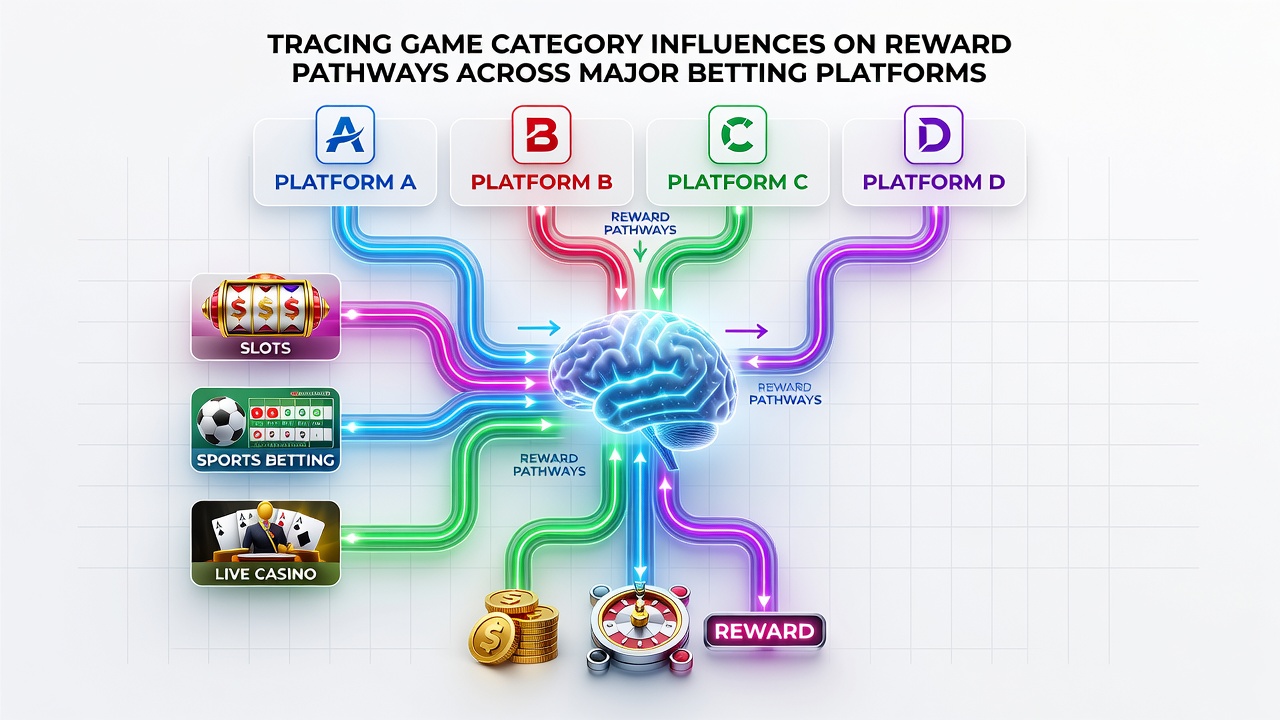
Sports Betting Interfaces and Predictive Reward
Live odds updates and in-play markets introduce continuous streams of new information that keep prediction-error signals active throughout an event, and platform logs indicate higher average bet frequency during matches with rapid score changes. Data gathered by research teams at institutions in Australia and Canada show that sports bettors display distinct prefrontal and striatal coupling when following multiple concurrent events, a pattern less prominent in single-match straight betting. Major platforms have introduced cash-out features that allow partial settlement before events conclude, and early telemetry suggests these tools further modulate the timing of reward-related neural events by providing intermediate resolution points.
Cross-Platform Aggregation and Category Mixing
Many leading operators now present unified wallets and loyalty systems that encourage movement between game categories within a single session, and aggregated usage statistics reveal that users who switch from slots to table games mid-session maintain elevated overall engagement metrics compared with single-category players. Observers tracking these patterns note that seamless transitions appear to sustain dopamine tone by alternating between high-frequency and strategic reward schedules. Regulatory bodies in several jurisdictions have begun requiring operators to report category-specific playtime distributions, which should supply researchers with larger datasets for longitudinal pathway studies.
Future Data Releases and Measurement Advances
Collaborations between academic centers and platform providers are expanding wearable sensor integration to capture real-time physiological markers during live play, and preliminary protocols presented at 2025 conferences indicate that heart rate variability and skin conductance can serve as proxy indicators for reward pathway engagement when combined with self-report scales. The November 2026 dataset mentioned earlier will incorporate these multimodal measures across platforms operating under different licensing frameworks in North America and Europe, offering comparative insight into how regulatory environments influence game category presentation and subsequent neural response profiles.
Conclusion
Current evidence establishes that game category design choices on major betting platforms produce distinguishable effects on reward pathway dynamics, with slots emphasizing rapid reinforcement, table games recruiting executive oversight, and sports interfaces sustaining predictive signaling. As new telemetry and neuroimaging datasets become available through scheduled 2026 releases, clearer mappings between specific mechanics and neural outcomes should emerge, supporting continued refinement of platform features across regions.