How Cross-Border Payment Innovations Shape Game Accessibility on International Digital Wagering Platforms
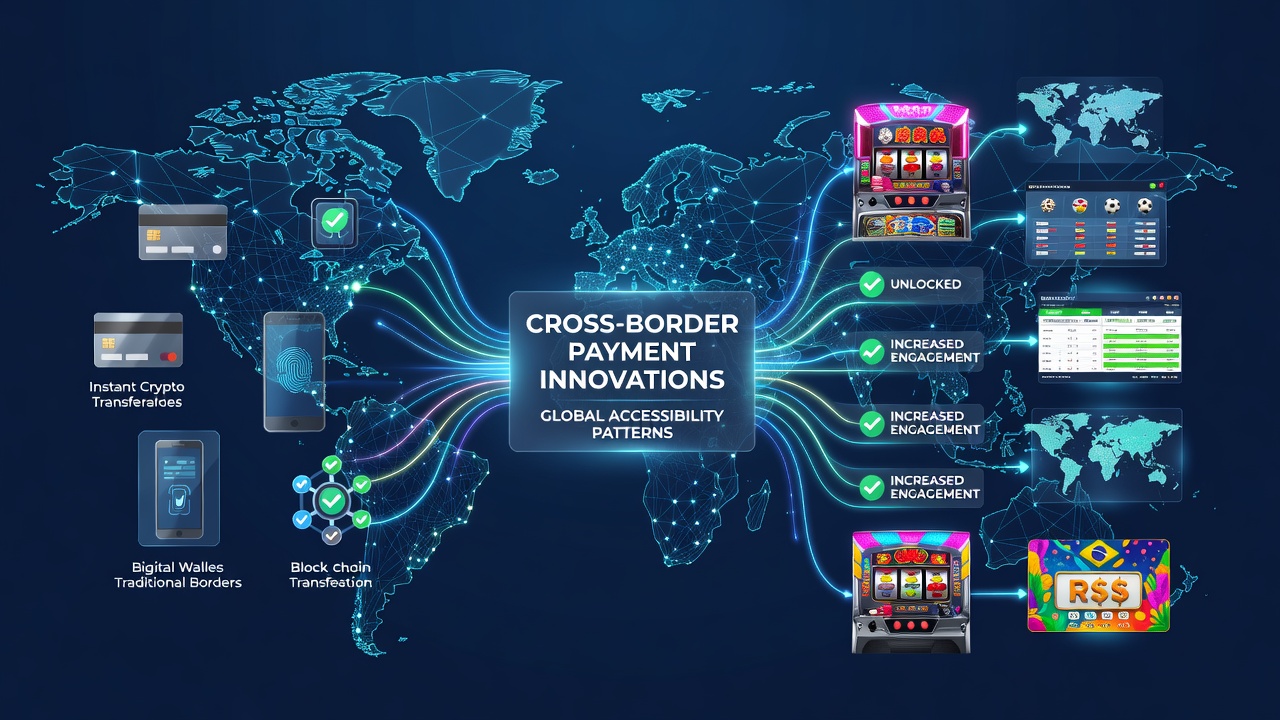
Cross-border payment innovations have expanded access to digital wagering platforms by streamlining transactions across regulatory boundaries, and these changes have altered which games players encounter in different regions since the mid-2020s. Faster settlement systems, blockchain-based transfers, and digital wallet integrations now allow operators to onboard users from markets previously limited by traditional banking delays or currency conversion hurdles. Observers note that these tools reduce processing times from days to minutes in many corridors, which in turn affects the variety of slot titles, table games, and live dealer options that appear in local catalogs.
Payment Infrastructure Developments and Regional Reach
Operators have adopted real-time gross settlement rails and stablecoin options that bypass some correspondent banking layers, and this shift has opened entry points for players in Latin America and Southeast Asia where local card networks once dominated. Data from the Bank for International Settlements shows increased transaction volumes in these corridors between 2024 and 2026, with cross-border gambling-related transfers rising notably after several jurisdictions updated their digital asset guidelines. In September 2026 several Asian-Pacific platforms reported expanded game libraries that included titles previously restricted to European or North American audiences, coinciding with new interoperability standards between regional payment gateways.
Wallet providers have partnered with wagering sites to offer multi-currency accounts that handle automatic conversion at point of deposit, and this capability has influenced how operators curate their game selections for users in high-remittance countries. Those who track platform data observe that markets with stronger instant-payment adoption tend to feature more live casino streams and progressive jackpot networks because settlement certainty supports higher-frequency play sessions. Researchers tracking user logs have documented shifts in session duration and game category preferences once payment friction drops below certain thresholds.
Accessibility Patterns Across Game Categories
Slots and casual instant-win games have seen the widest distribution gains because their lower entry stakes align well with smaller, frequent transfers enabled by new payment rails. Table games and sportsbooks, however, show more selective rollout patterns tied to regulatory clarity around player verification and tax reporting. One analysis of platform APIs revealed that operators using blockchain settlement introduced certain European-developed slot mechanics into African markets within weeks of local payment partnerships forming, whereas traditional bank-transfer methods required months of compliance checks.
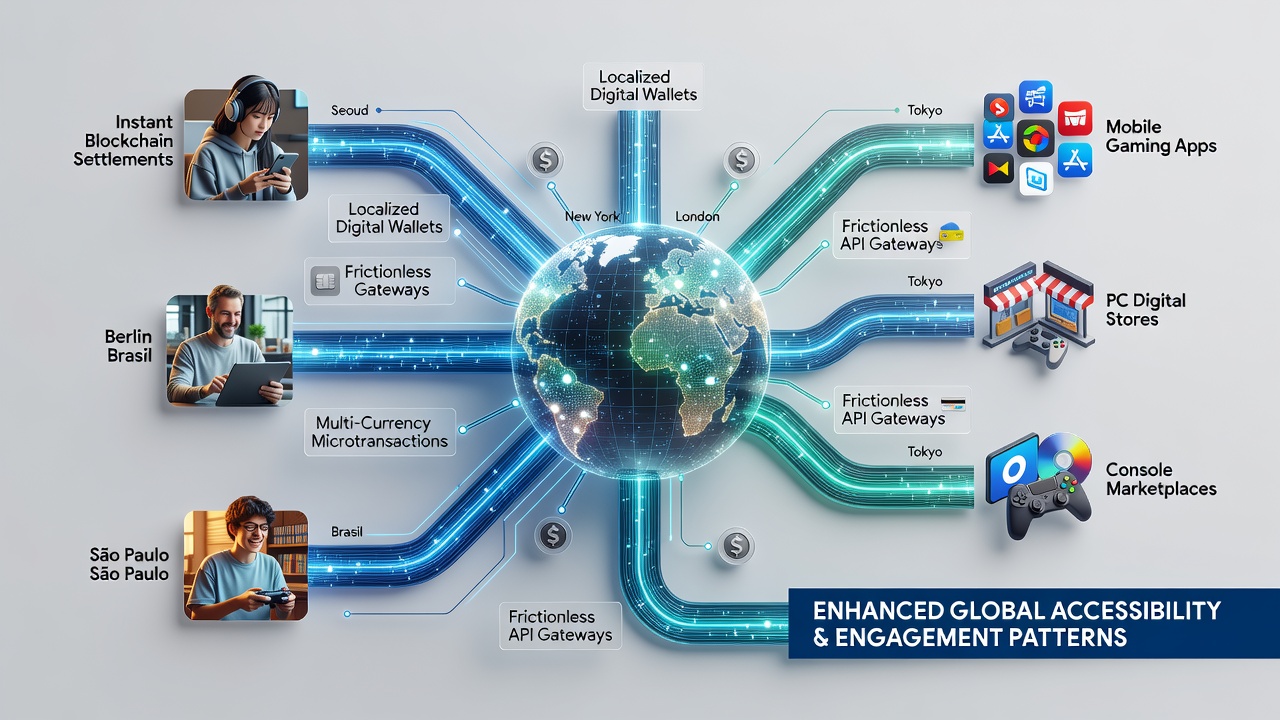
Live dealer accessibility has grown in regions where payment innovations support higher average transaction sizes, since these games often require real-time balance updates. Platforms report that users in Canada and Australia gained earlier access to certain high-limit roulette variants after stablecoin corridors matured, while similar expansions in other territories lagged until local licensing aligned with the same rails. Figures from industry monitoring groups indicate that game catalog overlap between continents increased by measurable percentages during 2025 and into 2026, driven partly by payment providers that offered unified compliance dashboards for operators.
Regulatory and Operational Interactions
Authorities in multiple jurisdictions have responded to these payment shifts by updating player protection frameworks, and operators must now demonstrate that cross-border flows meet local responsible gambling thresholds. This requirement has led some platforms to segment game offerings based on the payment method chosen at registration, creating distinct accessibility tiers within the same site. Those monitoring regulatory filings note that jurisdictions with clear digital asset rules tend to host broader international game libraries than regions still finalizing transfer guidelines.
Payment processor partnerships also affect promotional structures that indirectly shape game visibility. Cashback and loyalty mechanics funded through efficient cross-border settlements have encouraged operators to highlight certain progressive jackpot pools to users in emerging markets, whereas slower traditional methods limit such incentives. A report published by the European Gaming and Betting Association outlines how standardized payment reporting has correlated with wider distribution of skill-based table games across member states and partner markets.
Player Behavior and Platform Metrics
Analytics from multiple operators show that deposit success rates above 95 percent correlate with higher exploration of game subcategories, including niche offerings such as virtual sports and crash games. Players who encounter fewer failed transactions tend to sample titles from international studios more readily, and this pattern appears consistent across tracked regions. Studies from academic sources tracking digital economy flows confirm that reduced currency friction expands the effective addressable market for smaller game developers seeking distribution deals with global platforms.
Yet localized restrictions remain where payment innovations intersect with licensing conditions, so some high-volatility slots stay unavailable in markets without compatible settlement partners. Operators adjust catalog visibility dynamically based on the payment profile of each user segment, which creates evolving accessibility maps that change monthly as new corridors open or close.
Conclusion
Cross-border payment innovations continue to recalibrate which games reach which audiences on international wagering platforms through faster settlement, broader currency support, and improved compliance tooling. Patterns observed through 2026 indicate that regions adopting these systems earlier display wider game variety and higher cross-category experimentation, while slower markets retain narrower selections tied to legacy transfer limitations. Continued alignment between payment providers, regulators, and operators will determine how these accessibility dynamics develop in subsequent periods.